

Forex Trading vs Stock Trading: Which is Right for You?
Trading has evolved over the years, presenting numerous opportunities for individuals looking to invest their money. The two most popular forms of trading are forex trading and stock trading. Each has its unique characteristics, advantages, and challenges. In this article, we will delve into the key differences between forex and stock trading to help you determine which might be a better fit for your investment strategy. Additionally, you can discover forex trading vs stock trading Top Trading Platforms that cater to both forex and stock traders.
Understanding Forex Trading
Forex trading, also known as foreign exchange trading, involves the buying and selling of currencies on the foreign exchange market. This market is the largest and most liquid financial market in the world, with a daily trading volume exceeding $6 trillion. Forex trading occurs over-the-counter (OTC), meaning it is conducted directly between parties without a centralized exchange.
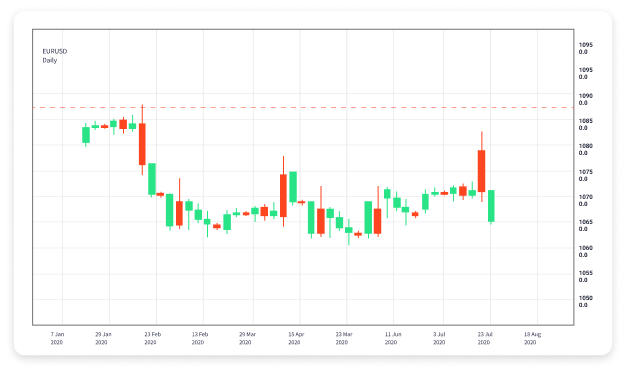
Traders in the forex market speculate on currency pairs, for example, EUR/USD, where they predict whether the value of one currency will rise or fall against the other. Forex trading operates 24 hours a day, five days a week, allowing for continuous trading opportunities across different time zones.
Advantages of Forex Trading
- High Liquidity: The forex market is highly liquid, allowing traders to enter and exit positions with minimal price fluctuation.
- Leverage: Forex brokers often offer high leverage, enabling traders to control larger positions with less capital.
- Accessibility: The forex market is accessible to anyone with an internet connection and a trading account, making it easy to get started.
Challenges of Forex Trading
- Volatility: Currency prices can be highly volatile, leading to significant losses if not managed properly.
- Complexity: The forex market can be complex, requiring an understanding of economic indicators, geopolitical factors, and central bank policies.
Understanding Stock Trading
Stock trading involves buying and selling shares of publicly traded companies. When you purchase a stock, you are buying a small ownership stake in that company. Stock trading takes place on stock exchanges, such as the New York Stock Exchange (NYSE) or the Nasdaq. Unlike forex, the stock market has specific opening and closing hours for trading.
Traders in the stock market may employ various strategies, such as day trading, swing trading, or long-term investing. The primary goal is to buy stocks at a low price and sell them at a higher price to profit from the price difference.
Advantages of Stock Trading
- Familiarity: Many investors are familiar with stocks and the companies behind them, making it easier to assess potential investments.
- Potential for Dividends: Some stocks pay dividends, providing investors with a passive income stream in addition to potential capital gains.
- Regulation: Stock markets are heavily regulated, providing a level of security and transparency for investors.
Challenges of Stock Trading
- Market Hours: The stock market has specific trading hours, which can limit trading opportunities compared to the forex market.
- Potential Lower Liquidity: While many stocks are highly liquid, less popular or smaller stocks may have lower trading volumes, affecting liquidity.
Key Differences Between Forex and Stock Trading
| Feature | Forex Trading | Stock Trading |
|---|---|---|
| Market Hours | 24/5 | Limited (e.g., 9:30 AM – 4:00 PM EST) |
| Assets Traded | Currencies | Shares of companies |
| Leverage | Higher | Typically lower |
| Market Size | Largest financial market | Multiple exchanges worldwide |
| Complexity | Higher (requires understanding of economic indicators) | Lower (easier to understand company fundamentals) |

Conclusion
Both forex trading and stock trading offer unique opportunities and challenges. Your choice between the two should be based on your personal preferences, risk tolerance, and trading goals. Forex trading may be more suitable for those looking for high liquidity and the chance to trade around the clock, while stock trading may appeal to investors who prefer a more familiar environment and the potential for dividends. Regardless of your choice, understanding the fundamental principles of each market and employing sound trading strategies will be key to achieving success.
Final Thoughts
As you consider your trading options, it may also be beneficial to explore different platforms that support both forex and stock trading. Research and compare your options to find the one that aligns with your needs, and remember that education and continuous learning are essential in both markets. Whether you opt for forex or stock trading, the world of trading is vast, and the right approach can lead to rewarding opportunities.